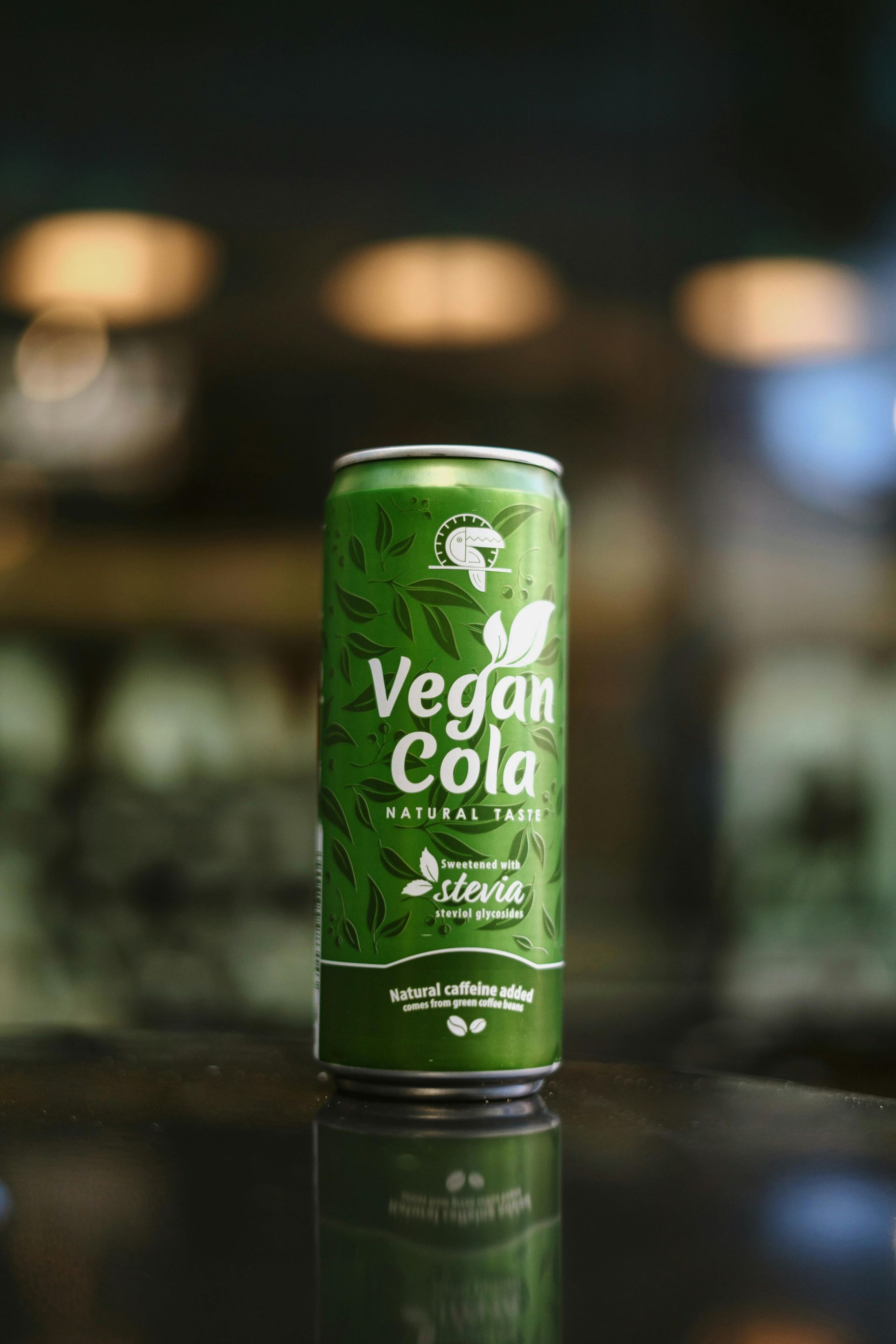
Consumer demand for sugar reduction continues to reshape the functional food and beverage landscape. For formulators, the challenge has never been simply finding a sweetener — it has been finding one that consumers will actually enjoy. Rebaudioside M (Reb M) and enzymatically enhanced stevia represent two of the most significant advances in this space, offering cleaner taste profiles and greater formulation flexibility than earlier-generation stevia extracts.
A New Chapter in Sugar Reduction
Traditional stevia extracts — dominated by Rebaudioside A (Reb A) — built the market but carried a well-known limitation: a bitter, lingering aftertaste that constrained usage levels and application types. Reb M and enzymatically enhanced stevia address this directly, opening the door to cleaner, more consumer-friendly formulations across a much wider range of product categories.
Rebaudioside M (Reb M)
Reb M is a rare steviol glycoside that occurs naturally in the stevia plant in very small quantities. Its molecular structure — featuring additional glucose units compared to Reb A — gives it a distinctly different sensory profile:
- 200–300× sweeter than sucrose — enabling very low use levels
- Clean, sugar-like sweetness with minimal bitterness or metallic notes
- Fast onset, clean finish — closely mimicking the temporal profile of sugar
- Excellent performance in beverages, gummies, and dairy applications
Because Reb M is present in such small quantities in the plant, it is now primarily produced via bioconversion or fermentation processes — making it available at commercial scale while maintaining its plant-based credentials.
Enzymatically Enhanced Stevia
Enzymatic processing offers a complementary pathway. In this approach, enzymes convert more abundant glycosides — such as Reb A — into superior-tasting variants by modifying their sugar chain structure. The result is an ingredient that:
- Retains full plant-based and non-GMO positioning
- Achieves markedly improved taste quality over standard Reb A
- Offers improved supply reliability and more competitive pricing than naturally extracted Reb M
- Performs well across a broad pH and temperature range
Formulation Applications & Guidance
Both sweeteners offer broad applicability, with some nuances worth noting by category:
| Category | Recommended Approach | Typical Level |
|---|---|---|
| Hydration & Functional Beverages | Reb M, often blended with erythritol or monk fruit for texture | 100–200 ppm Reb M |
| Gummies & Chewables | Enzymatic stevia paired with polyols for mouthfeel and bulk | Per formulation target Brix |
| Protein & Meal Replacement Powders | Reb M or enzymatic stevia; blend to balance with amino acid bitterness | Category-dependent |
| Tablets & Chewable Supplements | Reb M with isomalt or erythritol for bulk and mouthfeel | Low level; taste-test guided |
Key Advantages for Your Brand
- Sugar-like sweetness without the bitter notes that limit earlier stevia generations
- Cost efficiency — reducing the need for flavor-masking agents and off-notes correction
- Dependable supply chains with consistent purity and specification
- Plant-based and non-GMO positioning for clean-label compliance
- Compatibility across categories — beverages, gummies, powders, tablets, and more
Sampling & Prototyping
We encourage prototype testing to find the right sweetener system for your specific product. Our team can support benchmarking against current formulations, blending recommendations, and access to reference samples across our Reb M and enzymatic stevia portfolio. Contact us at info@nu-activ.com to start a conversation.
Ready to Prototype with Next-Generation Stevia?
Our team can help you navigate sweetener selection, blending ratios, and samples for your specific application.
Get in Touch