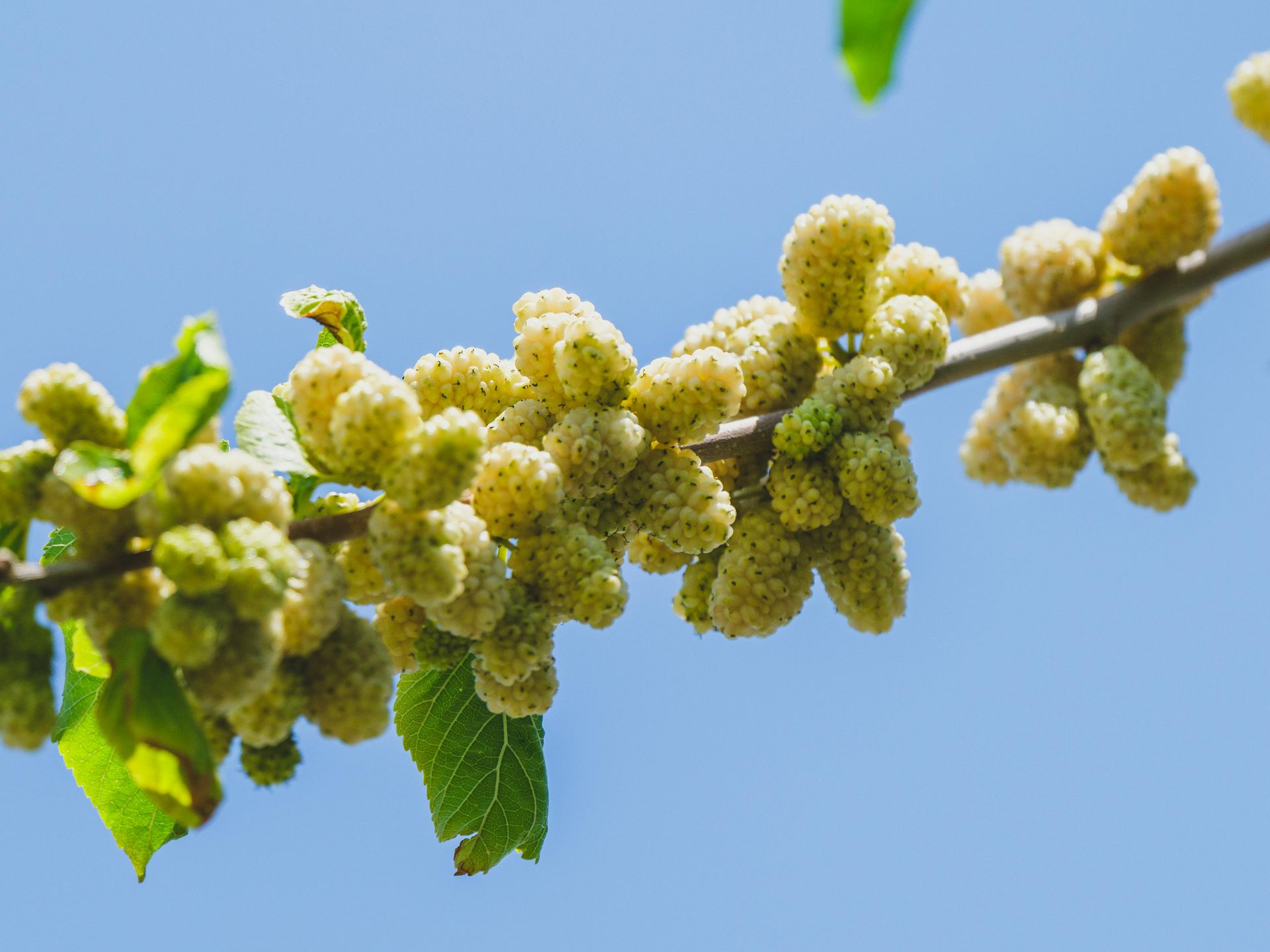
White mulberry leaf extract (Morus alba) is a botanical ingredient with a long history of traditional use in East Asia and growing support from modern nutritional research. Used for centuries in traditional wellness practices, it has attracted renewed interest as a functional ingredient for metabolic support formulations.
Traditional Roots, Modern Research
The mulberry tree has been cultivated across East Asia for thousands of years — most famously for silk production, but also as a source of food and traditional botanical preparations. Modern nutritional science has investigated the leaf extract for its potential role in supporting carbohydrate metabolism, with human studies and systematic reviews exploring its effects on postprandial glucose and insulin responses when consumed alongside carbohydrate-containing meals.
Key Active Compound: DNJ
1-Deoxynojirimycin (DNJ) is the primary bioactive compound found in white mulberry leaf and the focus of most contemporary research. DNJ is a naturally occurring iminosugar that interacts with alpha-glucosidase enzymes in the digestive tract, slowing the enzymatic breakdown of certain carbohydrates during digestion. This mechanism supports a more gradual release of glucose following carbohydrate-containing meals.
Our white mulberry leaf extract is standardized to a defined DNJ content, providing formulators with consistent, quantifiable potency across batches.
Functional Benefits
White mulberry leaf extract is primarily used in formulations targeting the following wellness outcomes:
- Carbohydrate metabolism support — Helping to moderate the rate of carbohydrate digestion
- Balanced post-meal glucose response — Supporting healthy glucose levels already within normal range after meals
- Metabolic wellness — Contributing to overall metabolic balance as part of a healthy lifestyle
- Weight management context — Suitable as a supporting ingredient in weight management formulations
Usage Guidance
White mulberry leaf extract is typically consumed with meals, particularly carbohydrate-rich ones, to align with its digestive mechanism. Typical inclusion levels in finished products range from 200–500 mg per serving, though optimal dosing depends on the target population and formulation context. Our team can advise on appropriate levels for your specific application.
Specifications & Quality
We supply white mulberry leaf extract standardized to DNJ content, with full documentation including:
- Certificate of Analysis with active marker verification
- Heavy metal testing and pesticide residue reports
- Botanical identity confirmation
- Food safety system compliance documentation
Both conventional and certified organic options are available depending on project requirements.
Formulation Applications
White mulberry leaf extract is well-suited to a variety of delivery formats commonly used in metabolic and weight management categories:
- Capsules and tablets (taken before or with meals)
- Powder blends and drink mixes
- Functional foods designed for carbohydrate management
- Comprehensive metabolic support formulations
- Blood sugar support blends paired with chromium, berberine, or cinnamon
Interested in White Mulberry Leaf Extract?
Contact us to request samples, standardization options, and technical documentation for your formulation project.
Get in Touch